
Get Paid for Every Canal: Precision Billing for Endodontics
From complex root canals to microsurgery and retreatment, Specialty Dental Billing Solutions ensures you collect on every procedure.

Endo Billing Challenges That Kill
Cash Flow—And How We Fix Them
If your staff is constantly faxing x-rays and rewriting narratives, you are losing money. Here’s how we solves them.
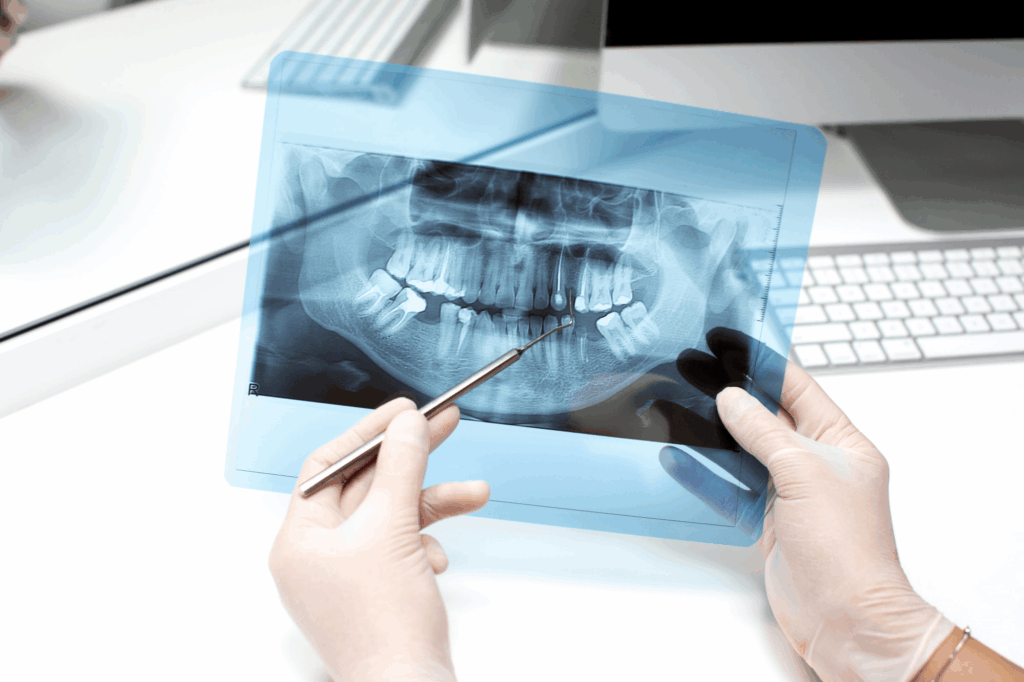
Payers deny endo claims when radiographs are missing, mislabeled, or in the wrong format. Your staff ends up faxing the same images over and over. We format, label, and attach images correctly the first time, and we know exactly which views each payer requires for apicoectomies vs. RCTs.


Complete Endodontic Billing Expertise for Every Case
Endodontics requires granular documentation and medical billing knowledge that general dentistry billers lack. We handle the full scope of endo procedures to maximize your reimbursement.

Root Canal Therapy
- Anterior, Bicuspid, & Molar RCT
- Complex anatomy management
- Calcified canal treatment
- Pulp caps and pulpotomies

Endodontic Retreatment
- Disassembly of previous treatment
- Post removal
- Obstruction removal
- Canal retreatment

Endodontic Surgery
- Apicoectomy (anterior/posterior)
- Retrograde filling
- Hemisection
- Exploratory surgery

Trauma & Emergencies
- Avulsed tooth replantation
- Splinting and stabilization
- Luxation treatment
- Vitality testing

Diagnostic Imaging
- CBCT (3D Imaging) coding
- Diagnostic evaluations
- Trauma documentation
Why Endo Billing Is Complex
Endodontic billing faces unique scrutiny from payers regarding “medical necessity” and treatment failure evidence.
-
Medical vs. Dental for Trauma
Accidents and trauma cases often qualify for medical billing, but only if coded correctly with the right diagnosis codes.
-
Radiographic Evidence
Payers frequently deny surgical claims without specific pre- and post-op radiographic evidence formatted exactly to their standards.
-
Retreatment Rules
Insurers have strict “time-lock” periods on how soon a tooth can be retreated after initial therapy. Billing too early triggers automatic denials.
-
CBCT Reimbursement
Getting paid for 3D imaging requires specific narratives proving why 2D imaging was insufficient.
-
The Specialty Dental Advantage
Our team specializes in the nuances of saving teeth. We know how to narrative a “calcified canal” to get paid for the extra time, and how to prove medical necessity for microsurgery.

Endo practices switching to Specialty Dental see an average 83% reduction in aging AR—because we stop the cycle of requests for ‘more information’.
FAQs
Everything you need to know about specialty dental billing — answered.
What makes endodontic billing different from general dental billing?
Endo billing faces a level of payer scrutiny that general dentistry doesn’t. Insurers routinely request radiographic evidence, question medical necessity for surgical cases, enforce time-lock rules on retreatment, and downcode CBCT imaging without proper justification. Generic billers don’t know how to navigate these — which is why endo practices end up in a constant cycle of resubmissions and “request for more information” letters.
Which endodontic procedures does SDBS handle?
The full scope — root canal therapy (anterior, bicuspid, and molar, including calcified canals and complex anatomy), endodontic retreatment (disassembly, post removal, obstruction removal), endodontic surgery (apicoectomy, retrograde filling, hemisection, exploratory surgery), trauma and emergency cases, and diagnostic imaging including CBCT coding.
How do you handle the "radiographic evidence" denial loop?
We break it before it starts. Our workflows ensure that pre- and post-op images are formatted, labeled, and attached to the claim exactly the way each payer requires. We know which views are required for apicoectomies vs. root canals, so claims don’t come back asking for documentation you already have.
Can trauma cases be billed to medical insurance?
Often yes — but only when coded correctly. Accident and trauma cases frequently qualify for medical billing with the right diagnosis codes. We identify those cases and route them appropriately, so you’re not defaulting everything to dental and undercharging for trauma work.
How do you justify CBCT reimbursement?
Payers require a narrative explaining why 2D imaging was inadequate — not just a code. Our team writes that clinical justification as part of every CBCT claim, specifically addressing the complexity that made 3D imaging necessary. Without that, most payers will downcode or deny.
What's your approach to retreatment claims?
We track time-lock periods so we never submit retreatment before it’s payable. When retreatment is justified, we build a complete clinical narrative documenting prior treatment failure — which is typically the deciding factor between approval and denial.
What results can we expect after switching to Specialty Dental?
Endo practices switching to Specialty Dental see an average 83% reduction in aging AR — because we stop the cycle of “request for more information” responses that stall payments. The fastest way to see what’s possible for your practice is to request a free revenue analysis.
